Buy Premium Handcrafted Seasonings Online Australia
Table of Contents
- What Sets Premium Handcrafted Seasonings Apart
- How to Compare Handcrafted Seasoning Blends Online
- Premium Spice Blends for Every Cooking Style
- Single Spices, Dried Herbs and Global Flavour Profiles
- How to Choose a Blend for Meat, Vegetables or Seafood
- How to Store Herbs and Spices to Keep Them Fresh
- Shipping, Delivery and Returns When You Buy Handcrafted Seasonings Online
- Which Option Suits Your Kitchen?
- Frequently Asked Questions
Last Updated: October 14, 2026
What Sets Premium Handcrafted Seasonings Apart
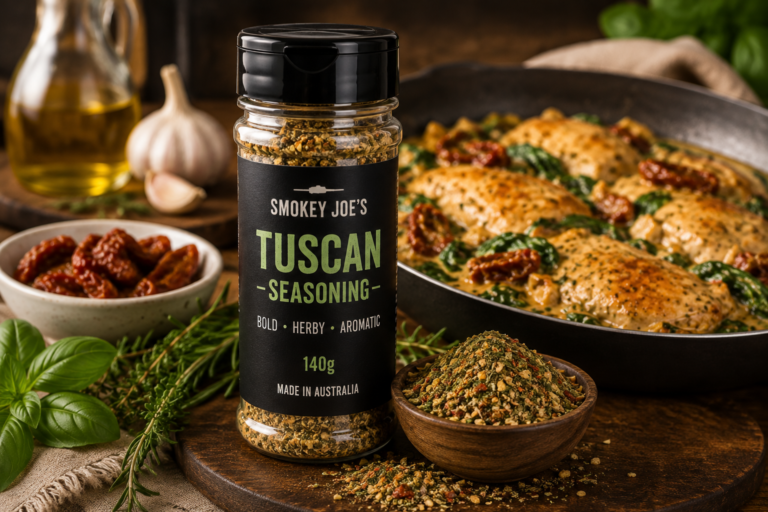
Walk down any supermarket spice aisle and you will see rows of identical jars, many of them filled months or years earlier. That is exactly why so many home cooks now choose to buy premium handcrafted seasonings online in Australia instead.
Handcrafted seasonings are spice blends made in small batches, typically with whole spices that are toasted and ground close to the point of sale rather than blended in bulk and warehoused for long periods. The practical difference shows up in three places:
- Aroma: whole spices hold their oils far better than pre-ground powder, so a small-batch blend tends to smell sharper when you open the jar.
- Ingredient lists: handcrafted blends usually name real ingredients, such as garlic granules, smoked paprika or dried herbs, rather than filler starches and anti-caking agents.
- Transparency: small makers tend to tell you where their spices come from. Larger operations rarely do.
None of that guarantees a better blend on its own. A handcrafted label is a starting point, not a verdict, which is why the next section matters more than any marketing claim on a jar.
How to Compare Handcrafted Seasoning Blends Online
The fastest way to compare handcrafted seasoning blends is to ignore the front label and read three things: the ingredient list, the pack size, and the unit price. Most product pages bury all three below the fold.
Start with the ingredient list, in descending order of weight. If salt appears first, you are mostly buying salt. That is fine for a BBQ rub, where salt is doing real work, but it is poor value for a finishing blend you sprinkle at the table.
Ingredient and allergen Verification
Allergen information matters more with handcrafted products than mass-produced ones, because small kitchens sometimes handle multiple ingredients on shared equipment. Australian food businesses must follow the Food Standards Australia New Zealand labelling requirements, which means allergens such as sesame, nuts, gluten and soy must be declared on the label or the product page.
Check for three things before you add to cart:
- A full ingredient list, not just a flavour description
- Allergen declarations, including “may contain” statements
- Any certification the maker claims, such as organic or gluten-free, and who certified it
A blend described only as “spices and herbs” tells you nothing about allergens. If the product page will not list ingredients, buy from a seller who will. For anyone managing a serious allergy, that omission is the whole decision.
Value Comparison by Unit Price
Unit price is the only fair way to compare a 40g jar with a 250g pouch. Divide the price by the weight and compare cost per 100g.
| Pack Size | Typical Use | Best Value When |
|---|---|---|
| 40-60g jar | Trying a new blend | You are testing before committing |
| 100-150g pouch | Weekly cooking | You cook with it 2-3 times a week |
| 250g+ bulk pack | BBQ season, large households | You refill often or cook for crowds |
Buying in bulk makes sense for a rub you use every weekend. For a specialty spice you reach for twice a year, a small jar at a higher unit price is the cheaper choice overall.
Premium Spice Blends for Every Cooking Style
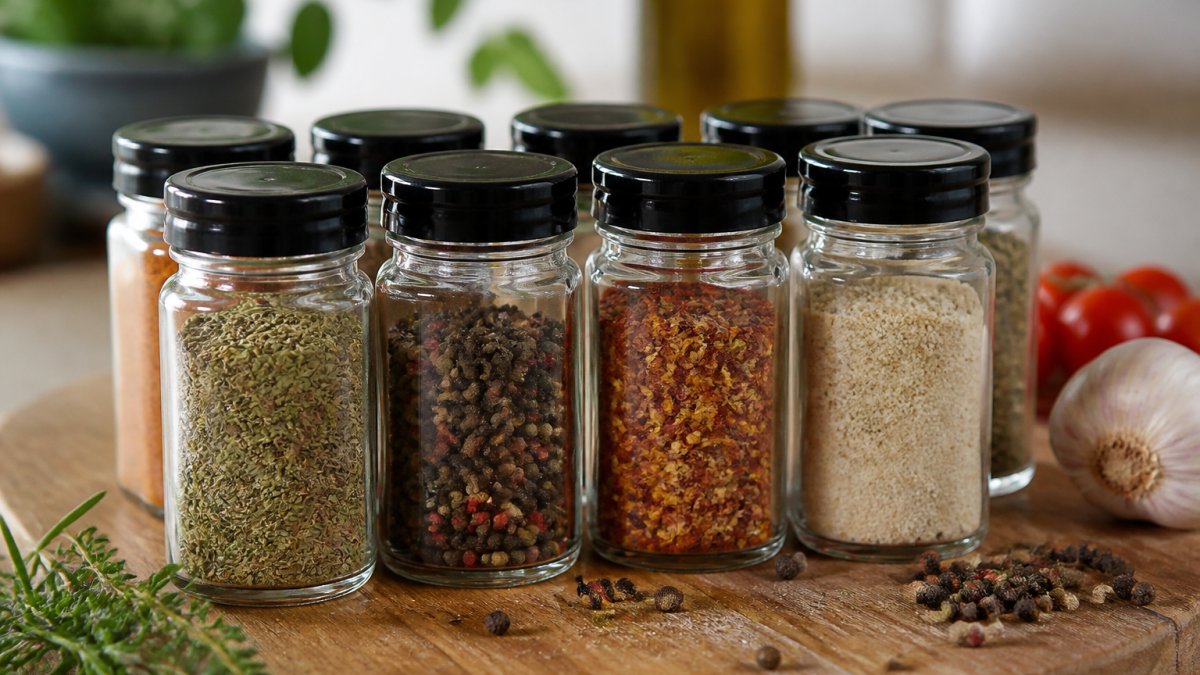
A well-stocked pantry covers more ground with fewer jars than most people expect.
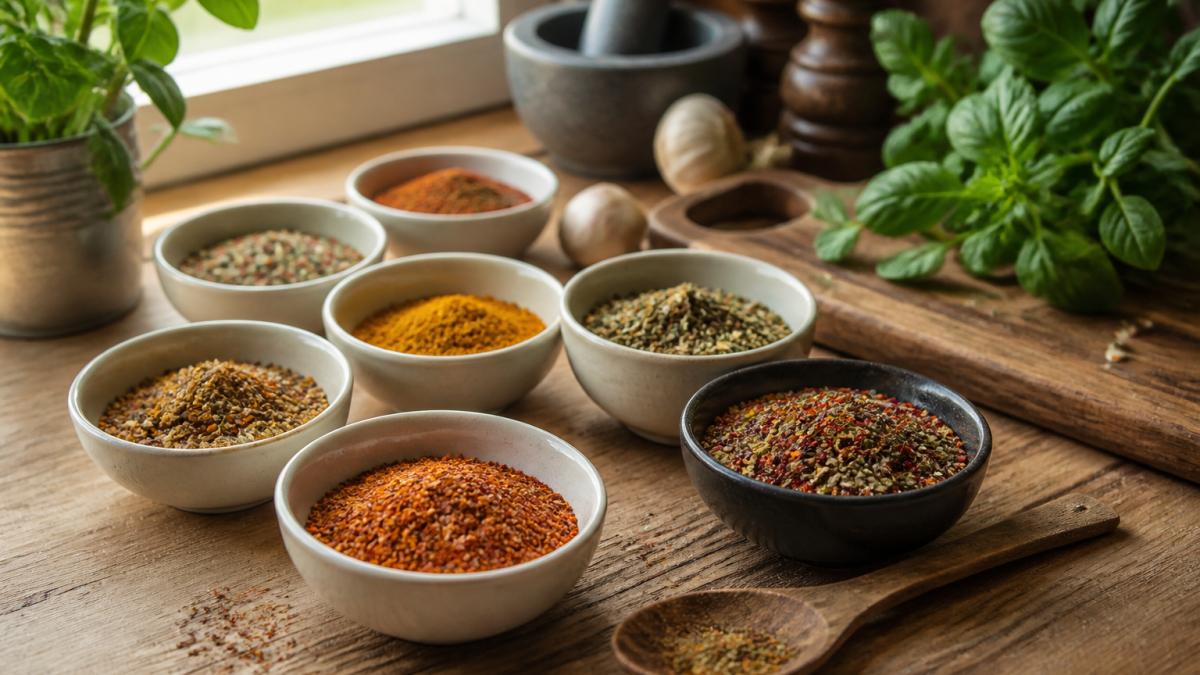
Here is how we group them:
- Everyday all-rounder: a balanced blend with garlic granules, onion, paprika and herbs. Works on chicken, roast vegetables and potatoes.
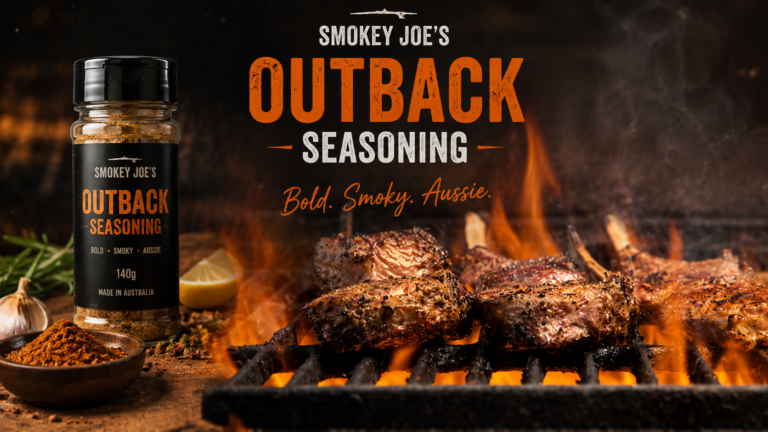
- BBQ and dry rubs: coarser, saltier and built for meat seasoning on the grill or in the oven.
- Warm and aromatic: cumin, coriander and cinnamon-forward blends for slow cooking and curries.
- Bright and citrusy: lemon or lime notes for seafood, salads and grilled vegetables.
If you cook mostly Asian or Indian cuisine, prioritise aromatic blends built around cumin, coriander, turmeric and cardamom.
Single Spices, Dried Herbs and Global Flavour Profiles
Single spices and dried herbs give you control that blends cannot. A blend locks in someone else’s ratio. A jar of smoked paprika, cumin or dried oregano lets you adjust as you taste.
Single-origin spices take this further.
Global flavour profiles are worth learning because they let you build a blend from single spices you already own:
- Indian: cumin, coriander, turmeric, garam masala, cardamom
- Thai: lemongrass, galangal, lime leaf, chilli
- Middle Eastern: sumac, za’atar, cinnamon, allspice
- Mexican: cumin, oregano, smoked paprika, chilli
- Mediterranean: oregano, basil, thyme, garlic
Keep three or four single spices on hand and you can improvise most of these without buying a dedicated jar for each one.
How to Choose a Blend for Meat, Vegetables or Seafood
Match the blend to the cooking method first, then the ingredient. A rub built for low-and-slow cooking will burn on a hot pan, and a delicate seafood blend disappears under a heavy BBQ rub.
Use this as a starting point:
- Red meat on the grill: coarse dry rubs with paprika, pepper, garlic and salt. Apply ahead of time so the seasoning settles into the surface.
- Chicken: an all-rounder or a warm aromatic blend, depending on whether you are roasting or grilling.
- Seafood: bright, citrus-forward blends with dill, lemon or mild chilli. Add late so the flavour stays fresh.
- Vegetables: almost anything works, but earthy blends with cumin and smoked paprika hold up best to roasting.
Season in layers rather than all at once. A light application before cooking and a small top-up at the end gives you more control than one heavy dusting, especially with salt-forward rubs.
How to Store Herbs and Spices to Keep Them Fresh
Storage advice is everywhere, so this section does something the storefronts do not: it ties shelf life back to the pack sizes and formats you are actually choosing between when you buy online.
Four things strip flavour from dried spices, in rough order of impact:
- Heat. A cupboard beside the oven or above the kettle runs warmer than the rest of the kitchen. Warmth accelerates the loss of volatile oils, which are the compounds that carry aroma.
- Light. Clear jars on an open shelf look good and age faster. Ultraviolet light degrades colour and aroma, which is why opaque pouches and tinted glass hold quality longer.
- Air. Every time you open a jar you exchange the headspace. A wide-mouth jar that is half empty exchanges more air per use than a narrow pouch rolled closed.
- Moisture. A wet spoon or a shake over a steaming pot introduces water, which clumps powders and can encourage mould in blends containing dried garlic or onion.
The practical rule: whole spices keep for years, ground single spices for roughly a year, and ground blends for six to twelve months depending on how much salt and sugar they contain.
That is the trade-off nobody states plainly.
How to store what you buy:
- Decant only what you will use in a month into a small jar, and keep the rest sealed in its original pouch.
- Store away from the stove, the dishwasher and any sunny windowsill.
- Use a dry spoon, and never shake a jar directly over a steaming pan.
- Write the purchase date on the pack. Blends rarely carry a best-before that reflects when you opened them.
- Buy whole spices for anything you use often and grind as needed, a cheap blade grinder or mortar is enough.
If you are unsure whether a blend has faded, smell it and then rub a pinch between your fingers. A blend that smells flat on the fingers will taste flat in the dish, no matter how much you add.
Shipping, Delivery and Returns When You Buy Handcrafted Seasonings Online
Work out the true landed cost. Take the pack price, add shipping, and divide by the weight you actually receive. A 250g pouch at $28 with free shipping is $11.20 per 100g.
Understand how free-shipping thresholds work. Most Australian sellers set a minimum order value rather than offering unconditional free post.
Check dispatch, not just delivery. A stated dispatch window is more reliable than a delivery estimate, because dispatch is within the seller’s control and delivery is not.
Assess packaging for a fragile product. Glass jars can crack in transit; sealed pouches rarely do.
Read the returns policy before you buy, not after. Under Australian Consumer Law, products must be of acceptable quality and match their description, and remedies apply if they do not. That is the floor, not the whole policy. Beyond it, look for:
- The return window in days, and whether it starts from dispatch or delivery.
- Who pays return postage for a change-of-mind return versus a faulty or incorrect item.
- Whether opened food products can be returned at all, many sellers exclude them for food-safety reasons, which is reasonable but worth knowing in advance.
- How to contact the seller if something goes wrong, and whether that channel is monitored.
A seller who will not state a dispatch time, a returns window or a contact method is asking you to take on all the risk. For a first order with any new supplier, start small, confirm the policy in writing, and only commit to a bulk pack once the product and the service have earned it.
The clearest signal of a seller’s confidence is a returns process that is easy to find and easy to use. A slightly higher unit price from a seller who dispatches promptly and resolves problems is usually better value than the cheapest jar with an unclear policy.
Which Option Suits Your Kitchen?
There is no single best blend, only the best fit for how you actually cook. If you barbecue most weekends, a bulk dry rub and a coarse all-rounder will earn their place.
For cooks who want a straightforward starting point, Wide Bay Products stocks a range of premium handcrafted seasonings and gourmet pantry items, backed by free shipping on most orders and friendly Australian service.
Frequently Asked Questions
Where is the best place to buy handcrafted seasonings online in Australia?
Look for Australian sellers that clearly state where their spices come from, list full ingredients, and offer delivery across the country. A family business based in the Wide Bay region of Queensland stocks premium handcrafted seasonings and gourmet pantry items with free shipping on most orders. Check each product page for pack sizes, ingredient sourcing, and whether the seller offers a straightforward returns process before you commit.
What should I look for in a premium spice blend?
Start with the ingredient list. A quality blend names every spice and herb, avoids fillers like anti-caking agents, and states whether it contains allergens such as gluten or sesame. Look for blends made in small batches, because they tend to be fresher than mass-produced alternatives. Also check the pack size and unit price so you can compare value fairly, and confirm the seller ships to your area.
How do I choose a seasoning for meat, vegetables or seafood?
Match the blend to the cooking method and the protein. Beef and lamb suit smoky BBQ rubs with paprika, garlic granules and pepper. Chicken works with milder blends using herbs or thyme. Seafood pairs best with lighter options like dill or lemon pepper. For vegetables, try a garlic salt or herb blend that roasts well. Buy small packs first, then reorder the ones your household actually uses.
How should I store herbs and spices to keep them fresh?
Keep them in airtight containers away from heat, moisture and direct light. A cupboard near the stove is the worst spot because steam and warmth degrade flavour fast. Store whole spices longer than ground ones, and label each container with the date you opened it. Ground blends lose their punch over time, while whole dried herbs and spices can hold flavour for longer.
Is it worth buying handcrafted seasonings online instead of supermarket brands?
It depends on how much you cook and what you value. Handcrafted blends usually skip fillers and anti-caking agents, so you get more actual spice per gram. Small-batch production also means shorter shelf time before the product reaches you. Compare the unit price rather than the sticker price, check delivery costs, and factor in whether the seller offers free shipping on most orders. For frequent cooks, the difference in flavour is noticeable.
Choosing seasonings online comes down to reading labels carefully and knowing how you cook. Wide Bay Products makes that easier with a carefully selected range of premium handcrafted seasonings, free shipping on most orders Australia wide, and a family-run team based in Queensland’s Wide Bay region. Add to cart and find your next favourite blend.